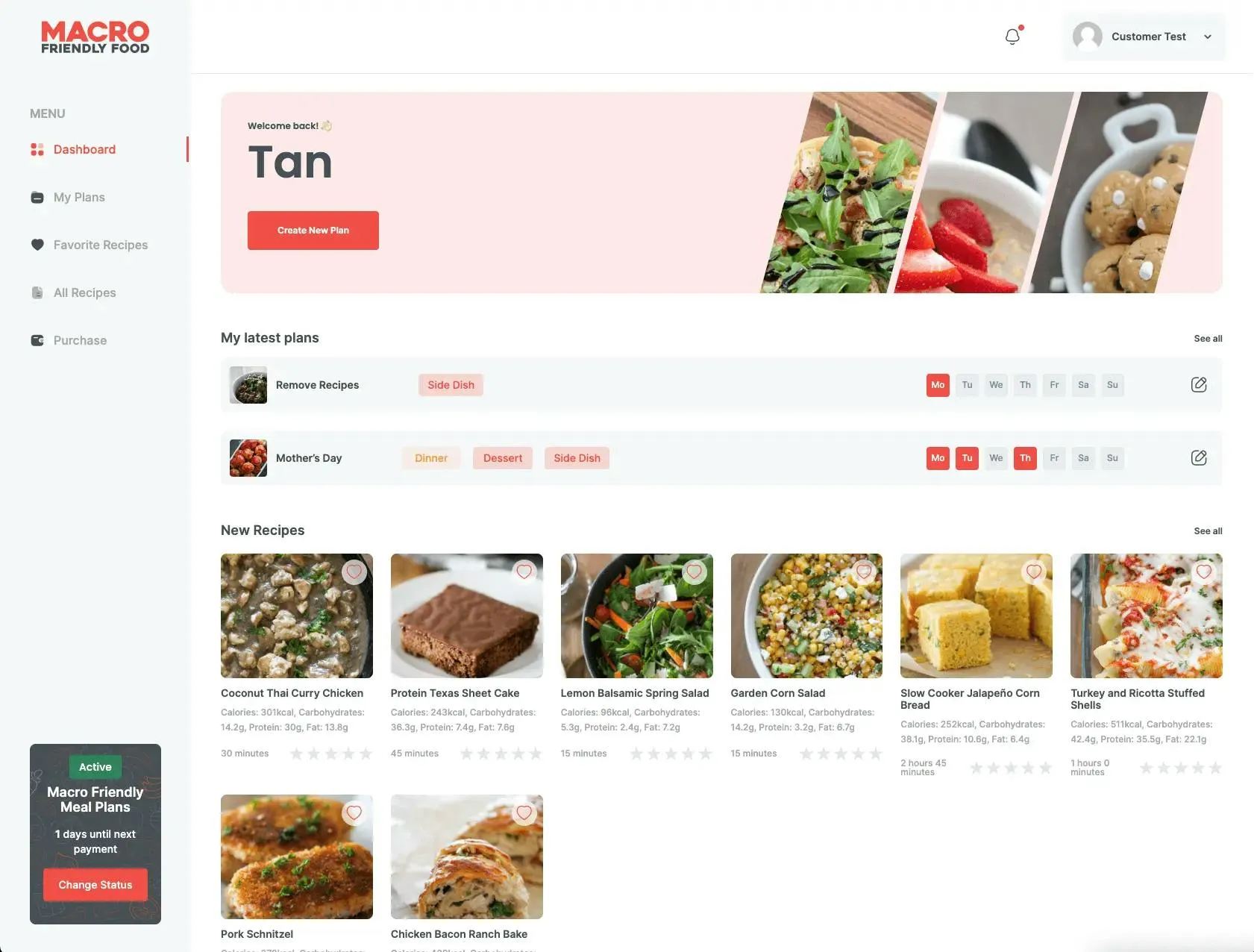
Why did the nutrition platform use both WordPress and Strapi?
Macro Friendly Food already stored more than 1,000 recipes, customer data, and orders in WordPress. Replacing that system would have created migration risk and delayed the application. I kept WordPress as the source for existing commercial data and exposed the required records through authenticated REST endpoints.
I introduced Strapi for new application content that did not belong in the legacy commerce system. This separated editorial management from customer and order records without forcing a large data migration.
What did the Next.js application do?
I built the user-facing application with Next.js and React. Dynamic routes represented recipes and dish-builder views, while authenticated requests connected users to their order and subscription data.
Server rendering supported indexable recipe routes and allowed each request to receive the data required for that page. The reason for choosing server rendering was routing and data delivery, not the raw number of recipes. A collection of 1,000 content records still requires pagination, search filters, and well-defined API responses.
The frontend combined information from three areas:
- Strapi content for application-managed pages;
- WordPress endpoints for users, orders, and legacy recipes;
- nutrition calculations and dish-builder state in the React application.
How was the platform deployed?
I containerized the Next.js frontend and Strapi service with Docker Compose and deployed them to DigitalOcean. Keeping the services in containers made local and production environments more consistent and gave the deployment an explicit definition of each service, port, and dependency.
What was the result?
The project delivered a web application without disrupting the existing WordPress order and recipe system. The client could introduce new Strapi-managed content while continuing to use the historical customer data.
The current Macro Friendly Food product reports more than 1,300 recipes as of July 2026. That is current product context, not a claim that the 2019 implementation alone produced the later growth.
Similar Projects
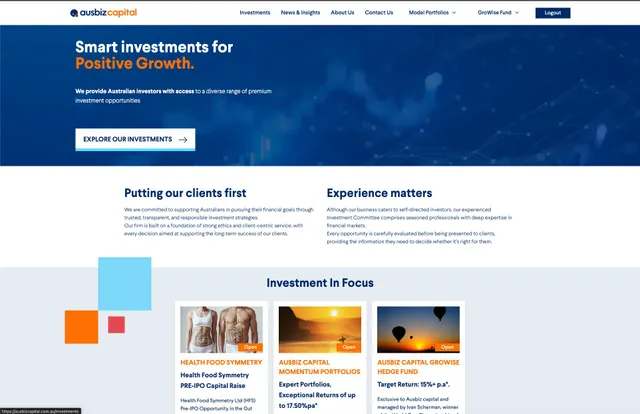
Ausbiz Capital Financial Platform
I helped turn an incomplete investment-platform codebase into a working Next.js product connected to Sanity, Supabase, FTP data feeds, XML content, and HubSpot.
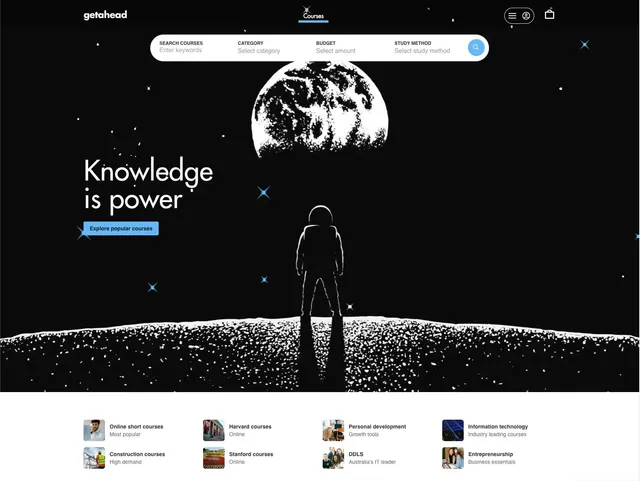
Getahead Job Marketplace
I built core React and Next.js interfaces for Getahead, an Australian job marketplace centered on swipe-based discovery, matching, messaging, and mobile use.
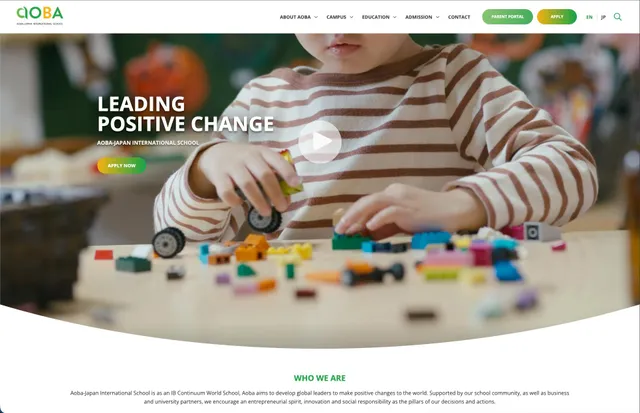
Bilingual Japan International School Platform
I built and maintained a bilingual school platform with Next.js, Strapi, PostgreSQL, Docker, and Nginx on a 2GB VPS under strict sensitive-data constraints.