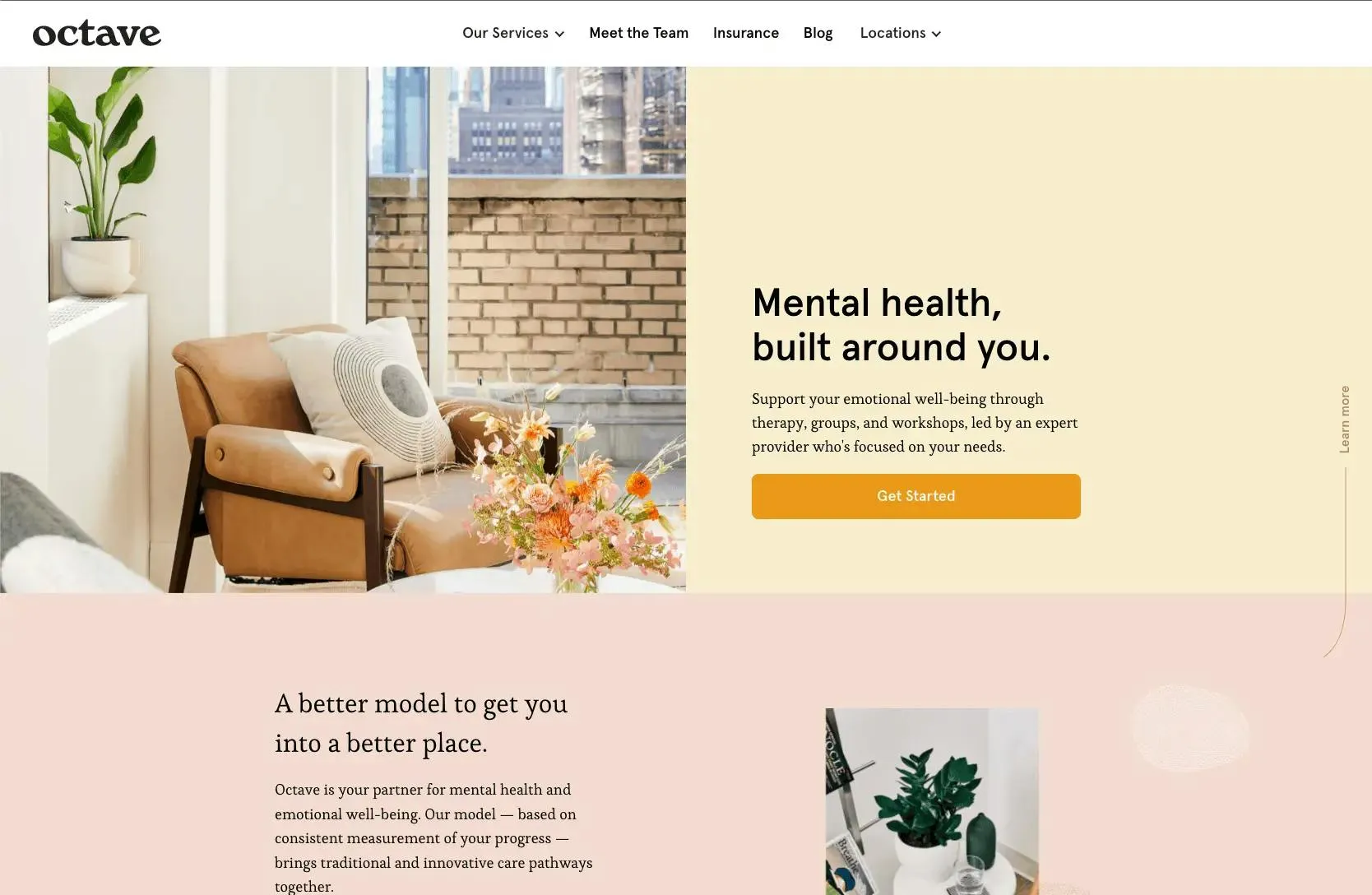
What did Find Octave need from the frontend?
Find Octave needed a content-heavy healthcare website that loaded quickly and gave the marketing team control over landing pages. My role focused on the React frontend and the connection between Gatsby and Prismic.
Therapy content also required careful presentation. I used semantic HTML, responsive layouts, readable content hierarchy, and accessible interaction patterns to reduce friction for people looking for care.
Why did the project use Gatsby?
Gatsby generated public pages ahead of each request
At the time of the project, Gatsby provided an established static-generation workflow for React and Prismic. Pages were built from CMS content during deployment, which reduced runtime work for public routes and produced HTML that search engines could read directly.
This was a historical architecture decision. It does not mean Gatsby is the default choice I would make for a new project today; the decision reflected the framework and CMS ecosystem available during the implementation.
Prismic Slices mapped to reusable React components
I created React components for the content sections managed in Prismic. Editors could assemble and reorder approved sections without changing code, while the components preserved layout and responsive behavior.
The component library covered flows such as therapist discovery, insurance information, and general marketing pages. This reduced page-specific duplication and gave editors more control within defined design boundaries.
What performance and accessibility work did I complete?
I implemented image optimization, code splitting, resource prefetching, semantic page structure, and responsive behavior for media-rich pages. At delivery, internal Lighthouse runs recorded scores above 90 across performance, accessibility, best practices, and SEO on the pages tested.
Those scores describe delivery-time checks, not the current website or every possible route. The public Find Octave website has continued to evolve since my project work.
What changed for the content team?
The Prismic component model allowed the marketing team to create and reorder landing-page sections without an engineering release for every content change. My contribution was the frontend system that translated those CMS structures into consistent React pages.
Similar Projects
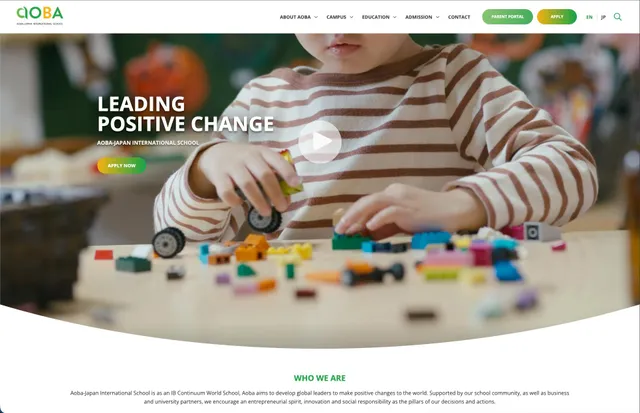
Bilingual Japan International School Platform
I built and maintained a bilingual school platform with Next.js, Strapi, PostgreSQL, Docker, and Nginx on a 2GB VPS under strict sensitive-data constraints.
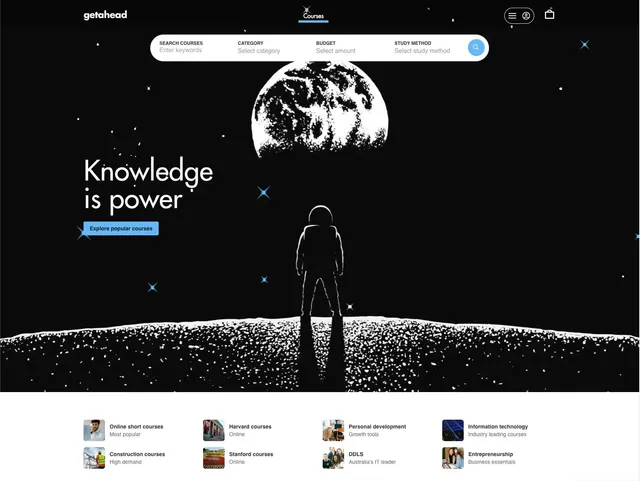
Getahead Job Marketplace
I built core React and Next.js interfaces for Getahead, an Australian job marketplace centered on swipe-based discovery, matching, messaging, and mobile use.
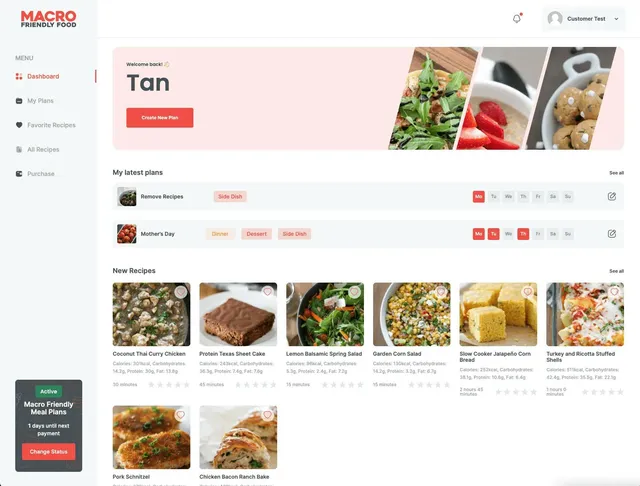
Macro Friendly Food Nutrition Platform
I built and deployed a Next.js nutrition platform that joined Strapi content with authenticated WordPress order, recipe, user, and nutrition data.